Alpine Life in Shoulder Season: What’s Open, What’s Closed, and Why It Matters
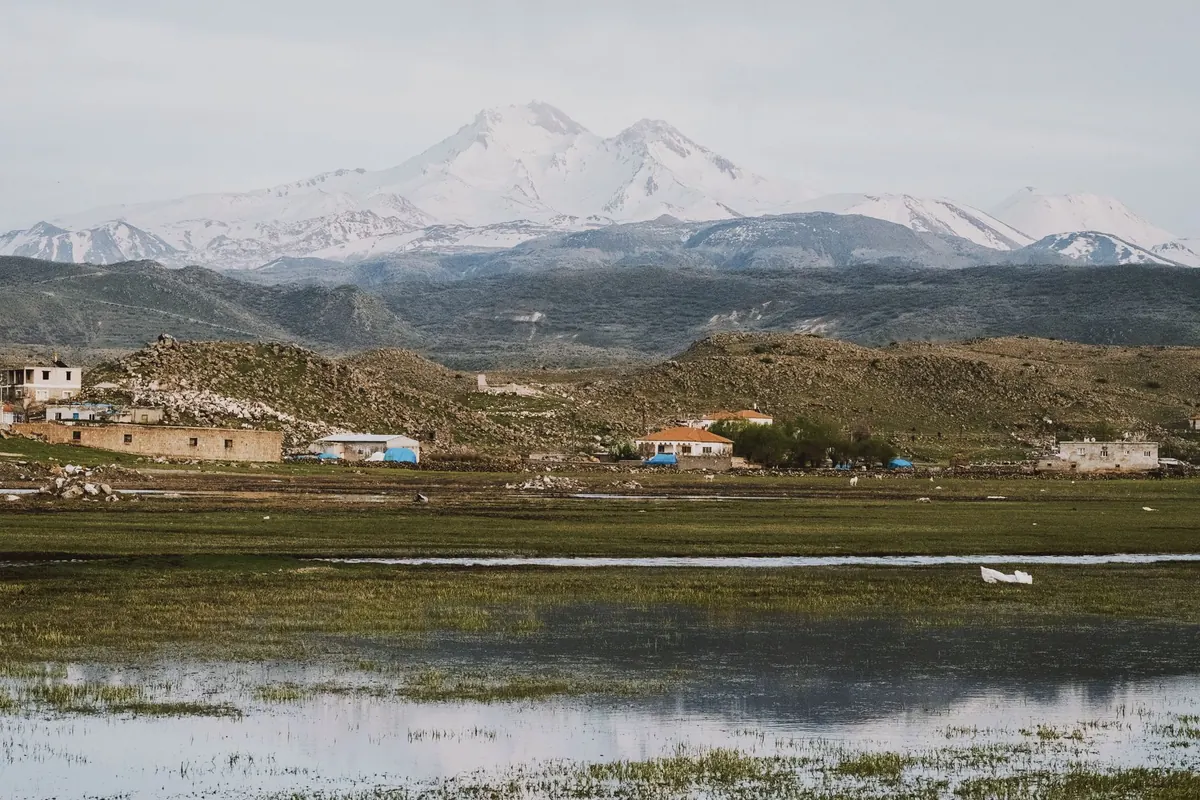
There is a week in the Alps, usually somewhere between late April and early June, when the valley floor turns green while the ridgeline above it is still white. The lifts have stopped. The hotels have emptied. The bakery opens at eight and there is no queue. Some people call this the dead season and book somewhere else. Others plan entire trips around it, because the mountains in shoulder season are unusually honest: fewer people, lower prices, and a clearer sense of what a place is like when nobody is performing for visitors. It does demand a different kind of planning. Lifts that ran last week are closed for maintenance, a rifugio that served forty lunches a day in August is shuttered, and the trail you saved last winter may be under old snow. None of that is a problem if you know what to expect. It is only a problem when you don't.
Two Shoulder Seasons, Not One
Most alpine valleys have two quiet windows, and they behave very differently.
The spring window opens when the lifts stop running, often in mid-April and occasionally after Easter, and lasts until the hiking season properly starts in mid-June. Snow is still deep up high, but it is melting fast and unevenly. Trails at valley level come clear first; anything above roughly 1,800 to 2,000 metres may hold snow well into June, especially on north-facing slopes.
The autumn window is the mirror image. Lifts close in October or early November, mountain huts shut in late September, and the first proper snowfall can arrive any time from mid-October. Between the last hut closing and the lifts reopening for winter there is a stretch of four to eight weeks when many villages are genuinely, deliberately quiet.
Knowing which of the two you are travelling in changes everything: spring is about following the melting snowline upward, autumn about staying below it and watching the weather.
What Closes, and Why the Calendar Isn't Uniform
Lifts close for a reason. Cable cars, chairlifts and gondolas need statutory inspections, cable replacement, and repairs that cannot happen with passengers aboard. Resorts schedule that work in the gaps between winter and summer business, which is why a lift that runs all winter can sit motionless in May with engineers on the roof.
Glacier areas are the exception. High-altitude ski sectors in places such as Zermatt, Cervinia, Tignes and the Stubai usually keep running through the year with short maintenance breaks, so if you want lift access in the shoulder months, aim for the top of the valley rather than the middle of it.
Mountain huts keep their own calendars. Most staffed rifugi and Austrian, Swiss and German alpine huts open in mid-to-late June and close in late September. A few stay open for late-autumn weekends. Winter rooms are sometimes left unlocked for emergencies, but a winter room is shelter, not service: no food, no bedding guarantee, no one to ask about conditions.
High passes follow the weather. Roads linking major valleys typically open between late May and mid-June after snow clearing, and close again with the first heavy snowfall. Tourist offices and local road authorities publish status; a pass marked "open" on Monday can be shut on Wednesday.
What Stays Open: Trails, Roads and the Snowline
The lower network almost always stays open. Forest tracks, valley paths, riverside routes and the roads to trailheads work normally, and in spring they are at their best: waterfalls full of meltwater, meadows at peak flower, no one ahead of you on the path.
The tricky part is reading altitude. As a rough rule of thumb, every few hundred metres of height buys you roughly a week or so of extra snowmelt, and aspect matters as much as elevation — a south-facing slope at 2,200 metres can be drier than a north-facing one at 1,800. Old snow is not just inconvenient. In spring, wet-snow avalanches release in the warm afternoon hours, and a firm morning crust turns into wet slush surprisingly fast. Check the regional avalanche bulletin before you commit to anything steep, and start early.
Three questions to ask before setting out
- Is the route on a north face or in a shaded gully? If yes, assume more snow than the map suggests.
- Are there stream crossings that might be swollen with meltwater by afternoon?
- Does the path pass a closed section — a via ferrata, a maintained gorge, a summer-only bridge?
Villages in Hibernation
A quiet village is not a closed village, but the rhythm changes. Hotels take their own holidays, sometimes for three weeks at a stretch, and the "chiuso per ferie" sign on the door is not a comment on you. Restaurants rotate their closures so locals can rest. Shops run shorter hours; some close on weekday afternoons. The tourist office may be open two mornings a week, and the bus timetable may be a fraction of the summer service, with seasonal routes starting only when the hiking season does.
None of this is a hardship — it is often the best part of the trip. But it does mean you should treat services as something to confirm rather than assume. A short email or a phone call to the place you plan to sleep and eat is normal practice, and small hotels respond well to it. Turn up at seven in the evening in mid-May with no booking and you may find the one open kitchen has stopped serving.
Planning Around the Quiet
- Pick your window deliberately. Late spring for green valleys and high snow; late autumn for larch colour, crisp air and very few people.
- Check the operating calendar at source. Use the lift company's own site, the hut's own page, and the local road authority. Aggregator apps lag by weeks in shoulder season.
- Confirm the bed and the meal. A booking message that asks "will the kitchen be open?" saves an evening.
- Build in flexibility. Book two or three nights rather than a fixed ten-day route, and keep a lower-altitude plan B in your pocket for the day the weather turns.
- Pack for two seasons. Sunscreen and shorts at noon, a warm layer and gloves by four, and poles for the slushy patches. In spring, gaiters earn their weight; in autumn, a headlamp does.
- Plan transport around the seasonal timetable. If the summer bus to the trailhead starts in mid-June, either arrive after that date or arrange a taxi and accept the cost.
Why It Matters
Shoulder-season travel is a good deal for both sides. You get space, better rates, and a valley that is not performing; the village gets income in weeks that would otherwise be empty. It also spreads pressure away from the crowded August paths and the February lift queues, which is no small thing for places carrying heavy visitor numbers.
The courtesy side is simple. If a hut is closed, don't bivouac in its doorway. If the only open restaurant is full, don't make it the staff's problem. Ask before you park in a farm entrance, keep dogs and drones away from grazing livestock and wildlife in a fragile season, and treat closed as closed.
Before You Go: The Short Version
Assume lifts are off, huts are shut and buses are reduced — then verify each one individually rather than the other way round. Head for valley trails and south-facing slopes, start early, carry layers for both warm and cold, and confirm your bed and your dinner before you drive. Print or download your maps, because seasonal businesses mean fewer places to ask. And leave room for the possibility that the quietest week of the year turns out to be the one you remember.