Ski Resort Opening Season Explained: Early, Peak, and Late Snow Trade-offs
A mountain doesn't open in one fixed condition and stay there. Between the first scrappy weekend in late November and the last soft afternoon in April, the same resort passes through several distinct versions of itself — and the price of a bed, the length of the lift queue and the amount of terrain you can actually ski all shift with it. Knowing which version you're buying is most of the battle when you plan a trip.
Here is how the early, peak and late windows really differ, and how to choose between them without guessing.
What Changes Between Opening Day and Closing Day
Three things matter more than the calendar: altitude, aspect and snowmaking. A resort with a high base station and north-facing upper slopes can hold decent cover while a lower neighbour is still pushing snow around in ribbons. That's why opening dates are local events rather than a national one — a mountain opens when its own terrain allows it, not when a brochure says so.
Terrain also comes back in stages. Patrol and lift crews usually open the upper mountain first, where snow is deepest and holds longest, then work downwards as the base builds. Early in the season you might ride one lift and ski the same run six slightly different ways. By February the full map is live. In a lean year, peak season can still look thin: a busy holiday week guarantees queues, not snow depth. So read the mid-mountain base depth in the snow report rather than the summit number, and check the webcam pointed at the base area rather than the prettiest view on the page.
Early Season: Thin Cover, Short Queues
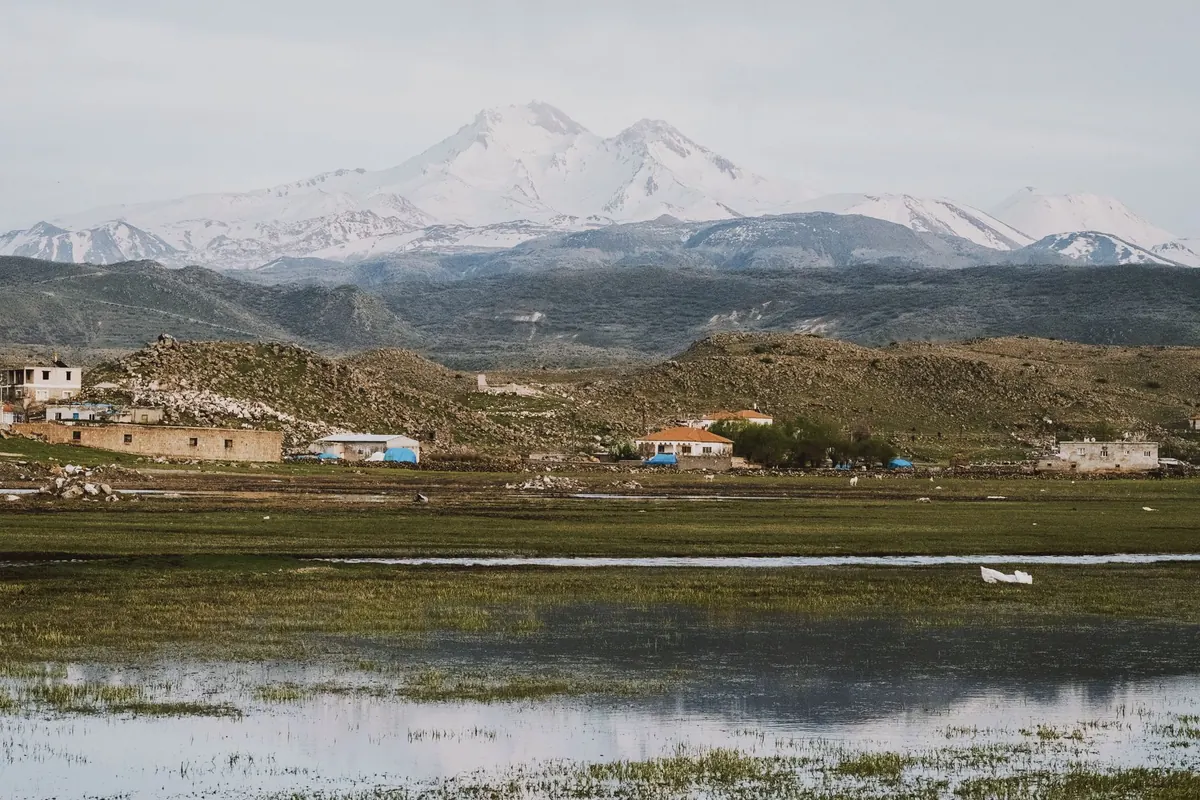
Roughly late November to mid-December is a strange, appealing slice of the winter. You get quiet lifts, cheap beds outside the holiday weeks, freshly tuned gear and the pleasure of being back on snow before almost anyone else. Ski school lines are short, instructors have time to talk, and a two-hour private lesson is easier to arrange than it will be in six weeks.
What you give up is choice. Expect a handful of runs served by a couple of lifts, often snowmaking corridors and whatever the glacier or upper bowls are holding. Cover is thin, so rocks, stumps and bare patches are real hazards, not a rumour. Some openings are staged for publicity and may close again if mild weather or rain arrives. Ridge lines and off-piste are usually out of the question. For anyone whose enjoyment depends on covering distance, that's a genuine constraint.
Who early season suits
Travellers with flexible dates who can chase conditions; locals with a season pass; racing squads and freeride teams training; anyone whose main goal is simply to be on snow, test new boots or shake off summer legs. If this is your one long trip of the year, you're bringing beginners, or you need plenty of gentle terrain, wait a few weeks.
Practical moves: book accommodation with free cancellation, stay or drive high so you can reach the upper lifts, and leave the brand-new skis at home — early-season cover eats bases.
Peak Season: Full Terrain, Full Car Parks
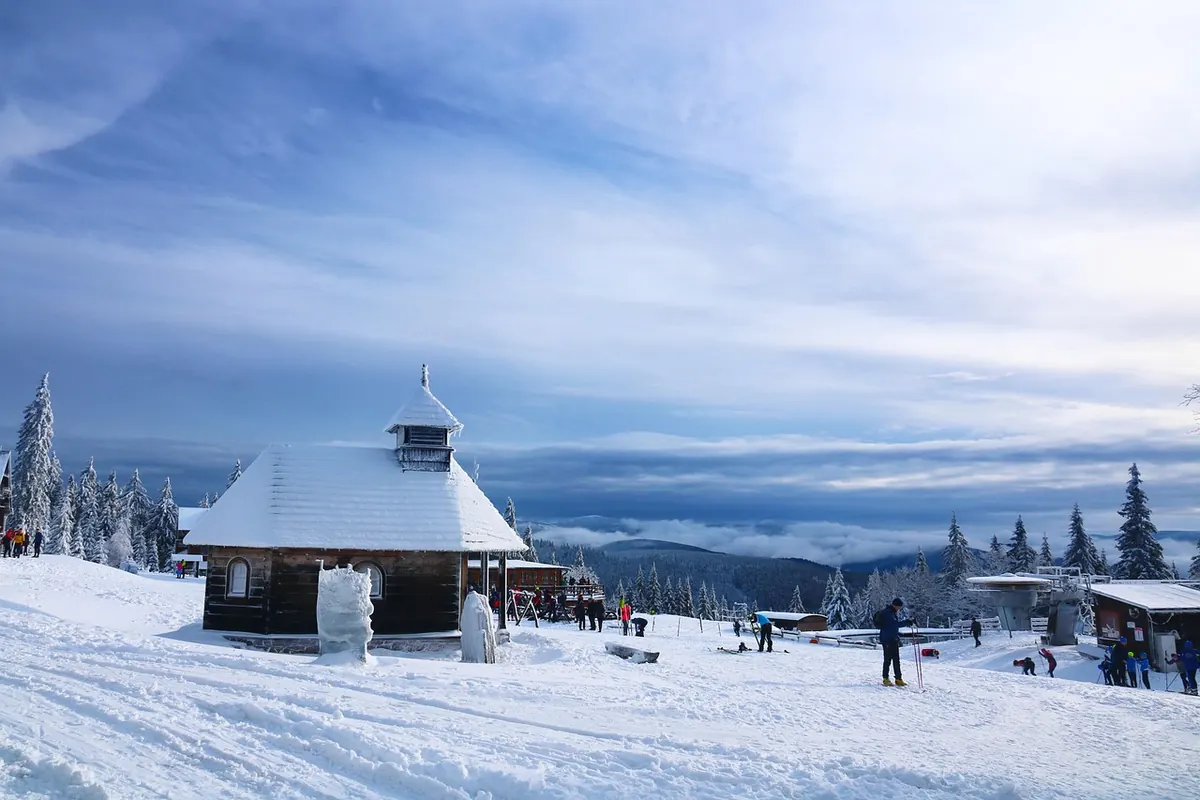
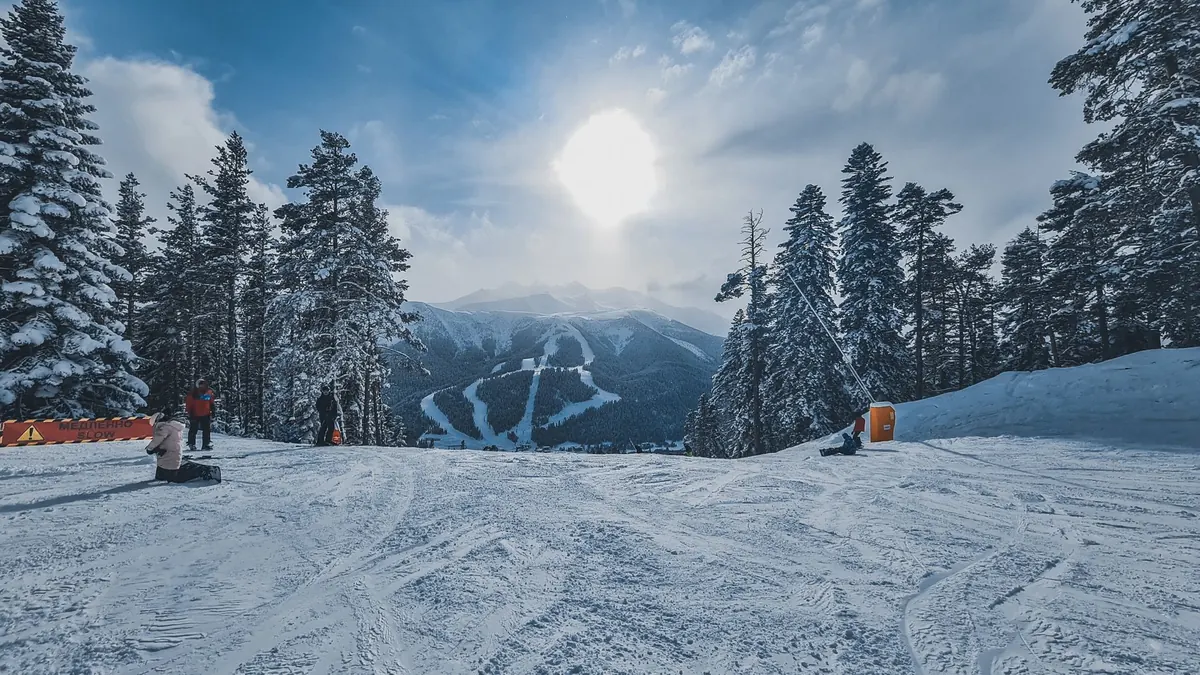
From the Christmas holidays into early March, the resort runs at capacity. Every lift spins, every run is groomed, the park is shaped, the mountain restaurants are open and the après is loud. On a good snow year this is the mountain at its best and most complete: long descents top to bottom without a bus ride, all the beginner zones running, rental fleets fully stocked.
It's also the most expensive and the most crowded, especially during school holidays. The base gondola queues at nine, the fresh snow gets tracked out within a couple of hours, tables need booking and parking fills before the first lift. Lift lines thin noticeably once you get above mid-mountain, which is a good reason to learn the upper network early in the trip.
The quiet weeks inside peak season
Peak season is defined by school calendars more than by weather. Mid-January to early February, and the weeks in March after the last major holiday, often deliver the same full-terrain experience with noticeably fewer people. If your dates are your own, aim there. You get the whole mountain without the elbows.
Late Season: Soft Snow and Long Days
From March into April, and into May at high-altitude resorts, the mountain changes character again. Daylight stretches out, temperatures rise, and the snow turns from a hard, fast surface in the morning to soft corn and eventually heavy slush in the afternoon. High resorts often carry their deepest base of the year at this point, built up over months rather than days.
The trade-offs are real. Lower runs melt out first and valley access can close, so you may finish the day on a shuttle or a walkway rather than skiing to the door. Lifts shut progressively as cover retreats, and some sectors simply end their season. Afternoon snow is slow and sticky, which is tiring on flat traverses, and sun exposure is much higher than in January.
Work with it rather than against it. Start early and follow the softening: south and east-facing slopes turn soft first, colder north-facing runs stay firm longer and often offer the best skiing late in the day. Use a warmer-weather wax, carry sunscreen and water, and plan a shorter, sharper day instead of a long one. Spring events, park sessions and mogul skiing are often at their best now, and holiday-free weeks are cheap and quiet.
The Three Windows Side by Side
- Snow reliability. Peak season is strongest on average, especially at mid and low altitude. Late season beats early season comfortably at altitude because the base has had months to accumulate. Early season is the gamble.
- Crowds. Early season is quietest. Late season is quiet outside holiday weeks. Peak season is busy, and holiday weeks are busy in a way that changes how you ski.
- Prices. Lodging, rentals and packages are usually lowest at the edges of the season and highest during holidays and half-term weeks.
- Terrain. Peak gives you the full map. Early gives you a fraction of it. Late gives you most of it, minus the lowest runs and a few lifts.
- Snow quality. Cold midwinter snow is dry and fast; spring snow is soft, forgiving and heavy by mid-afternoon; early-season snow is often marginal and machine-made.
- Comfort. Midwinter means short days and serious cold. Spring means sunburn and slush. Late autumn means cold, flat light and the chance of rain.
Choosing Your Window
- Name your priority. Reliability, price, quiet slopes, or full terrain — you can have two comfortably, rarely all four.
- Check the base depth, not the forecast. Look at mid-mountain figures and the number of lifts and runs actually open the week you plan to travel.
- Ask about snowmaking. A resort with good coverage on the lower runs can stay skiable to the base in a poor year; one without it can't.
- Read the cancellation terms before you pay, and consider travel insurance if the trip is a big one. For anything binding, check the details with the provider or a financial adviser you trust.
- Book late for edges, early for peak. Peak-week accommodation and lessons sell out months ahead; early and late dates reward waiting and flexibility.
Before You Book
Pick the window that matches what you actually want from the trip. If you need the whole mountain and a lot of beginner terrain, pay for peak season and choose a quiet week inside it. If you want value and empty lifts and can accept a few runs, go early and keep your plans cancellable. If you love spring snow, long lunches in the sun and a shorter, sharper ski day, book late and head high. Then check the snow report the week before you travel, and be honest about what's open — a well-chosen window matters far more than any single day's conditions.
Photo: Mikhail Sapozhnikov / Pexels